


Shield Yourself From Sunburn, UV Damage and Cancer
Though most of us love the longer days and warmth of summer, there are a few things you need to know in order to spend more time outdoors without needlessly endangering yourself or your family.
Ultraviolet (UV) radiation is the primary cause of nonmelanoma cancers such as basal cell and squamous cell cancers. These affect over 1 million and 250,000 Americans each year, respectively.
UV radiation is also the primary cause of precancerous skin changes called actinic keratosis. And it plays a key role in melanoma formation — which kills 8,000 Americans per year.
Before I cover the best ways to protect yourself, let’s break down the three types of UV radiation:
- UVA — This is the dominant tanning ray. UVA’s longer wavelength is less intense than the other types, but more prevalent by a factor of 50. In fact, UVA waves make up 95% of the UV radiation that reaches the Earth’s surface. UVA waves contribute to premature aging of the skin, early formation of cataracts and immune system suppression
- UVB — These waves are shorter and more intense. They penetrate the skin less deeply than UVA waves and are blocked by clouds and most glass. However, these waves are primarily responsible for skin reddening and sunburn
- UVC — UVC waves are so short that they are absorbed by the atmosphere and never reach the Earth’s surface.
UVA waves are present at the same intensity throughout the day and are not seasonal. UVB rays are strongest between 10 a.m. and 4 p.m., especially during the summer months. Altitude affects the intensity of these rays as well.
“UV radiation plays a key role in melanoma formation — which kills 8,000 Americans.”
Now that you know more about what causes sun damage, let’s review your UV defenses. Starting with your skin.
The Fitzpatrick Scale
There are six different skin types, graded by how much pigment or melanin is in the skin. These designations translate into how effectively the skin handles UV radiation. And how much protection is needed.
- Type I — always burns, never tans (pale white; blond or red hair; blue eyes; freckles).
- Type II — usually burns, tans minimally (white; fair; blond or red hair; blue, green or hazel eyes)
- Type III — sometimes mild burn, tans uniformly (cream white; fair with any hair or eye color)
- Type IV — burns minimally, always tans well (moderate brown)
- Type V — very rarely burns, tans very easily (dark brown)
- Type VI — never burns, never tans (deeply pigmented dark brown to darkest brown).
The best way to shield your skin from too much exposure to UV radiation is by wearing sunscreen whenever you’re outside. Sunscreen contains physically reflective components such as zinc and titanium in addition to chemical protectants that form a film on the skin’s surface and absorb the radiation.
All Sunscreens Are NOT Created Equal
Here are a few things you should consider when selecting which sunscreen you’ll use to protect yourself and your family.
First, check which UV rays the product blocks. Most sunscreens only block UVB rays unless the label specifically indicates that it provides both UVA and UVB protection.
But sunscreen efficacy is ultimately measured by its “sun protection factor,” or SPF.
Contrary to what most people believe, the SPF number is not an indicator of how strong the sunscreen is. Rather, it is an estimate of the time it takes UVB radiation to redden the skin compared with bare, unprotected skin. So an SPF of 15 means the skin will take 15 times as long to redden as untreated skin.
I recommend using a lotion with a minimum of SPF 15. SPF 30 — or even 50 — is preferable for prolonged exposure, especially for people with skin types I or II.
For those who work out in the sun for long hours, I recommend looking for clothing with an SPF rating and UVA/UVB protection. I also advise wearing a wide-brimmed hat if you plan to spend a lot of time outside.
Most importantly, avoid tanning booths. These give off 12 times the amount of radiation you would get from the sun. Regardless of your level of exposure, make sure to do monthly self-examinations of your skin and get an annual exam from a physician.
If you do get sunburned, treat your skin with agents that cool, heal and protect it. Some of these products include aloe vera, cocoa or shea butter and certain numbing lotions or creams that contain lidocaine.
I also recommend aggressively hydrating. Drink at least 100 ounces of water a day, and use an anti-inflammatory such as ibuprofen to help with pain. An antihistamine may also help prevent further skin irritation and inflammation from histamine release. Leave blisters alone — opening them or bursting them may result in infection. If they are large, see your physician.
Whatever you do, DO NOT use mineral or vegetable oil to increase your tanning. I also suggest avoiding reflective surfaces meant to concentrate and focus the sun’s rays — you’ll certainly regret it later.
Cant Stand The Heat?
Every summer, emergency rooms fill up with people who underestimate the intensity of heat and their ability to withstand the adverse environmental conditions.
There is a whole spectrum of heat injury, from mild heat exhaustion to severe heat stroke.
Things that make you more susceptible to heat injury include heavy, dark clothing, high humidity, dehydration, being overweight, poor fitness level, extremes of age, illness and certain medications.
Luckily, heat injury is highly preventable:
- Slowly acclimate to activity in the heat
- Stay in the shade if you are able
- Drink plenty of water (your urine should remain clear to light yellow)
- Wear loose, lightweight and light-colored clothing with SPF protection
- Wear a hat with a wide brim
- Replace salt and electrolytes if you are sweating a lot.
If you become fatigued, get to a cooler environment and hydrate. Engage in outdoor activities during the cooler periods of the day and consider cancelling if the temperature and humidity are too high.
The Benefit of Bare Skin
Vitamin D is very important to skin, eye and immune system function and health. Yes, you do need sunlight to make active vitamin D in your body, and yes, most Americans are significantly deficient. However, all it takes is 15–30 minutes per day of bare skin exposure to UVB rays to produce the amount of vitamin D you need.
So which risk should you be most concerned about — vitamin D deficiency or skin cancers?
In my professional opinion, it is a balance. Getting bare-skin sun exposure is essential, but if you’re going to be out for more than 30 minutes, use a sunscreen with SPF 15 or greater.
The Ultimate Guide to Stealth Gun Ownership

The Easiest Way to Get Your Concealed Carry Weapon Permit
People constantly ask me questions and solicit my advice regarding concealed carry firearms and self-defense. My reply is always the same:
- Are you willing to train on a regular basis to be proficient with this firearm?
- Can you store this firearm safely — especially if there are children present — either in your home or vehicle?
- Are you willing/able to use this firearm if you find yourself in a life-threatening situation?
If you answer NO to any of the above questions, I strongly recommend opting for an effective nonlethal option like a stun gun or bear spray (be sure to check your local laws first).
“More than 15 million Americans are licensed to carry a firearm in the United States.”
But if you can answer all three questions with a confident YES, let’s discuss one of the best options for personal protection: CONCEALED CARRY.
Packing Heat
The laws to acquire a CCW (concealed carry weapon) permit vary from state to state. The first thing you’ll need to do is Google “concealed carry + [state where you live].” This will tell you if you live in a state that allows new residents to acquire a CCW.
You will also find several local companies that offer CCW classes, which are required to become a legal concealed carry participant.
Even if you’re already a world-champion handgun shooter, these classes will inform you of the laws in your state and how they pertain to you carrying a concealed weapon.
Before you sign up for a CCW class, contact the company to ask about your eligibility. They may ask you about your previous criminal history, citizenship, group affiliations, restraining orders, alcohol/drug use, etc. There are a number of laws in each state that could restrict your ability to pass a background check and thus acquire a CCW, so know before you go.
Cover Your Ass
According to a recent estimate by the Crime Prevention Research Center (CPRC), more than 15 million Americans are licensed to carry a firearm in the United States.
With that many legally licensed citizens, the odds are good that someone with a CCW permit will end up using their firearm to defend themselves. Especially when you add in those who keep guns strictly at home for domestic protection, people who open-carry or those who live in one of the dozen states that do not require a license.
Recognizing this possibility, there are at least four organizations that provide some type of coverage for the armed citizen who may someday be forced to act in self-defense:
- United States Concealed Carry Association (USCCA)
- Armed Citizens Legal Defense Network (ACLDN)
- U.S. LawShield
- NRA Carry Guard.
Unlike in television shows, stopping a villain with lethal force isn’t the end of the drama — it’s often just the beginning. I highly recommend investing in SOME type of firearm insurance plan if you choose to conceal carry.
Password(s) Protected
If you have a parent or grandparent in their “golden years,” you have probably taken on a role as their personal “Geek Squad.” Anytime I receive a call from an older relative, I know there is at least a 50% chance it has to do with their iPhone or Mac.
Recently, I had a conversation with one of my relatives about passwords. I was amazed (but not surprised) to learn that this relative not only had not changed their passwords in several YEARS, but in many cases used the same password for multiple accounts.
Here is what I urged them to do:
- Change your passwords every six months at minimum.
- NEVER use the same password for multiple logins.
- Don’t use your name as a user name. If this is a requirement, at least add a special character at the end — like a #.
- Use a combination of upper- and lower-case letters, numbers and special characters for each password.
Sometimes it’s difficult to remember so many passwords. If you want to use a similar password for multiple accounts, I suggest doing the following:
- Place a “1” as the first character for all email accounts
- Place a “2” as the first character for transaction accounts like Amazon, Netflix, etc.
- Place a “3” as the first character for all financial/banking accounts.
As with most things these days, it’s up to you to protect yourself. This is an easy mistake to avoid at any age — if you just follow these simple rules.
Reciprocity
Simply put, reciprocity means that if I have a CCW in one state, there are other states that will honor my CCW. If you travel outside the state where your permit was issued, you must make sure the state(s) you plan to visit also recognizes your ability to conceal carry. Again, if you Google “[state] + conceal carry reciprocity,” you’ll get your answer.
“I recommend always bringing your firearm with you or inside at night when your vehicle is unattended.”
For example, here are the states that recognize my Colorado CCW permit:
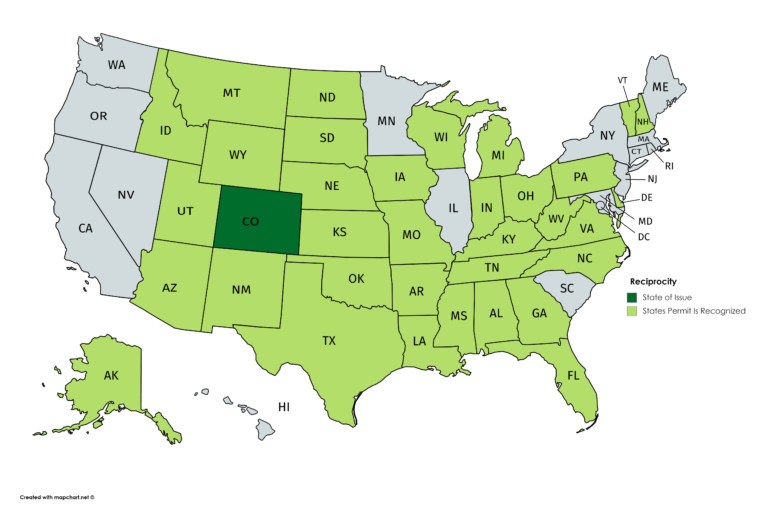
Image courtesy of Concealed Carry Headquarters.
Carry Options
There are any number of options for safely carrying your concealed weapon. Ultimately, it comes down to personal preference. Mine is a Glock 27 (.40-caliber compact with a 15-round magazine) in a paddle-style holster like the one below.
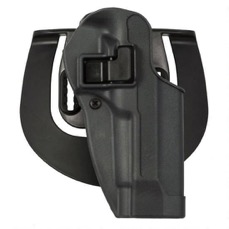
The great thing about a paddle holster is you can just drop it into place without having to take your belt off. [Side note: The thing that holds the bullets is called a magazine, NOT a clip.]
With this setup, I can attach my paddle holster to the driver’s-side door storage bin and then safely and discreetly remove it and place it on my right hip (using my right hand) before I exit my vehicle. (I recommend always bringing your firearm with you or inside at night when your vehicle is unattended.)
A Word Of Advice
If you are pulled over by law enforcement, I strongly advise that you state the following immediately after initial introductions: “Officer, it is my duty to inform you that I have a concealed weapons permit and I currently have a concealed weapon in [location].” Say all of this while keeping your hands on the steering wheel.
Trust me when I tell you that law enforcement appreciates this and the respect you show might just get you out of a ticket. In general, the sooner you put law enforcement at ease during a stop, the better chance you have of avoiding a citation.
SAVINT
Your Monthly Savings Intelligence
SUMMER SALE EVENT
Save Over 60% on Premium Outdoor Gear
Whether you’re camping, hiking, hunting, or fishing, there are a few basic things you must have…
This complete camping collection will give you everything you need to enjoy a weekend in the wilderness.
Don’t miss out on this incredible bargain… Even Amazon can’t match our prices.
Plus — for a limited time only — get FREE SHIPPING
on your order.
Top Three CIA-Approved Home Security Systems

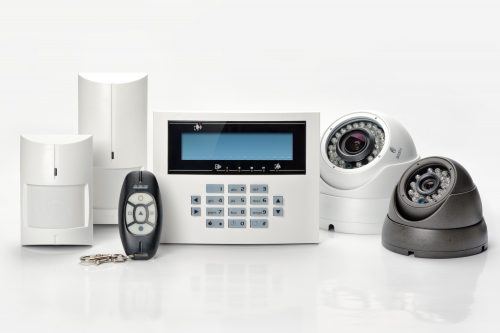
Get a State-of-the-Art System and Save Hundreds by Installing It Yourself
One night around 9:00 p.m., Margaret was watching TV when she heard a noise at her front door. Now, Margaret lives alone so she had installed a DIY security system from SimpliSafe. However, she hadn’t yet armed the system for the night.
Margaret went to investigate the commotion. As she approached her front door, a young man burst inside. He rushed past her, pushing her into a recliner. Later, Margaret told the authorities the man appeared to be on drugs judging by his erratic behavior.
As the intruder ran into another room, Margaret ran to her SimpliSafe keypad and pressed the panic button. Once the alarm sounded, the intruder panicked and bolted from the house — leaving Margaret unharmed.
The alarm company dispatched police, who caught up to the suspect a few houses away as he tried to break into another home with a woman and child inside.
Home Improvement
Having an alarm system can be a lifesaving addition to your home defense plan. There are a ton of options when it comes to home security systems. You could always go with one of the big companies, but you’ll end up paying higher fees for monitoring and equipment.
“Avoid paying for installation and skip the long-term contracts and monthly monitoring fees.”
This is why I want to share some of the top DIY security systems. With just a little bit of work, you can avoid paying for installation and skip the long-term contracts and monthly monitoring fees.
So if you’re thinking about getting a new home security system — or changing your existing system — consider the following options.
SimpliSafe
★★★★★
SimpliSafe was one of the first companies to introduce a DIY security system. It receives my top-notch rating because it’s one of the most cost-effective DIY systems. Plus, it’s incredibly easy to install — even without prior knowledge of security systems — and you can tweak any of their equipment packages to fit your needs. You can set up monthly monitoring for as low as $15. There is no annual contract, so you can cancel anytime.
SimpliSafe recently released a new line of more modern-looking equipment. However, you can purchase the older style of equipment at a greatly reduced price. One of the best things about SimpliSafe is that it has multiple add-on features such as a glass-break sensor and even a freeze sensor (to alert you if the temperature falls below 41 degrees). The most basic packages from SimpliSafe start around $250. But again, you can customize them depending on your situation.
Abode
★★★★
One of the best features of the Abode system is that you can choose to pay for monitoring or simply use the system without it. The only drawback is that some of the equipment appears outdated. But since it connects with other smart home technology, you still have plenty of options. If you are considering an entry-level security system, then Abode is a great option. The basic starter kit costs around $300, and you can easily add accessories as needed to fit your home.
Abode integrates with home automation hubs like Alexa and Nest, which allows you to voice-enable your security system. Professional monitoring costs around $30 a month, but this includes cellular backup. When setting up the system, you have to use the Abode web app to take advantage of the advanced features. Overall, this is still one of the best DIY options — especially if you want to integrate your security system with other smart home products.
ADT Security Hub
★★★
With so many people moving toward DIY systems, ADT partnered with SmartThings to create a security system that also functions as a home automation hub. Basically, the control panel for the security system can also be used to control other home automation devices. The ADT Security Hub by SmartThings receives three stars for two main reasons. First, it’s one of the more expensive options in the DIY market. Second, to use all the system features you must install ADT accessories — you cannot use other brands.
“A security system buys you valuable time to be able to defend yourself and your family.”
The upside is that you receive ADT monitoring starting at $15 a month without any long-term contract or service agreement. The equipment is built to the same standards as the equipment a professional ADT installer would use. Plus, even though it’s a DIY system, it’s backed by ADT, which is one of the biggest names in security systems. The ADT Security Hub installation kit starts at $550. Like I said, it’s a little pricey compared with the other options, but it does have the added benefit of functioning as a home automation hub.
I’m a huge fan of having a security system. Not only does it protect your home when you’re not there, but it alerts you if someone tries to enter your home when you are. This buys you valuable time to be able to defend yourself and your family.
I realize that paying a professional company for installation and monitoring can be prohibitively expensive. So if you don’t yet have a security system, consider one of these DIY options. They will help save you money and give you the peace of mind that your home is protected.
Why You Should Nickel and Dime Your Emergency Fund


Our money used to have real value.
Before 1933, we had coins that were made of 90% gold. And as recently as 1964, the U.S. Mint distributed coins of 90% silver.
This is because gold and silver have an intrinsic value, rooted in their universal acceptance as a perfect means of exchange.
Silver and gold do not rot or corrode. Their value is recognized worldwide. And they are rare, which means folks can’t flood the market by making more and devaluing them.
The Founding Fathers included gold and silver in our currency to protect it against devaluation. Even if the American government and economy collapsed, its citizens’ currency would still have intrinsic value because of the gold and silver content.
This makes pre-1965 coins — which have come to be known as “junk silver” — a vital part of your financial crisis kit.
Silver Linings
Before we get started, I want to dispel any preconceived notions that “junk silver” is somehow worth less than regular silver.
By the sound of it, you’d think that these coins were worthless. But the “junk” in junk silver simply means that these coins have no “collectable” value.
Junk silver coins bear all the hallmarks of well-used legal tender — scuff marks, discoloration and scratches. This makes them “worthless” to a collector who wants to show them off in a fancy display case.
But this has no effect on the intrinsic value of the silver contained in the coin. And you certainly won’t be displaying these fellas on your mantle. They’re going to be safely stored away for use in a crisis.
In fact, because the price of silver has gone up since these coins were minted, their value today is higher than their original dollar value.
At today’s prices, a 90% silver dime is worth about $1.20, while a silver quarter is worth $2.99.
Right now a roll of 50 silver dimes at an online dealer will cost you about $68, while a roll of silver quarters goes for a little over $122.
I recommend buying $300–400 worth and stashing them with the rest of your emergency supplies.
War of the World Economies


How to Survive a Game Where No One Wins
by JAVELIN
Ex-CIA Operative
While working in Japan, I recruited an asset to work for me who went by the name “Project Ice.” This gentleman was a telecommunications professional who worked in China as well as Japan.
In addition to his telecommunications work, Project Ice worked as a sales representative for a company that sold freeze-dried food in Japan, China and Vietnam. This allowed him to travel freely around these countries selling alternative food options.
Project Ice was well accustomed to the trade relationship between these nations — and the importance it played in the overall economy. As a result, I learned a great deal about the delicate nature of exchange in Asia.
Upping the Ante
There’s no question that the U.S. and China are currently involved in a high-stakes chess match. Unfortunately, no one knows how damaging the outcome will be.
Recently, the Trump administration upped the ante between the world’s two largest trading economies after announcing 25% tariffs on around 1,300 different Chinese products — an estimated $50 billion worth of Chinese exports. Many of the affected products include TVs, cellphones and other electronic devices.
Of course, China wasn’t going to allow this to happen without imposing their own tariffs on U.S. products. In response, they increased tariffs on about 128 U.S. exports including wine and steel. Clearly, the leaders of both countries are trying to one-up each other. Unfortunately, this will probably continue to punish both economies until one nation concedes to some degree.
Who Will Win?
In an all-out trade war, China has more to lose in the end. The Chinese economy is incredibly dependent on exports, and about 20% of all Chinese exports go to the U.S. In 2017, China exported roughly $506 billion in goods to the U.S. In contrast, the U.S. exported only about $130 billion in goods to China.
“No industry is safe. These tit-for-tat tariffs will hurt every sector from tech to agriculture.”
With that said, a trade war would still be devastating for the U.S. economy as well.
Initially, China would fare better because the Chinese government has the money to prop up their economy. Unlike the U.S., China has surplus funds to keep prices on goods the same without forcing consumers to absorb the costs of increased tariffs. The U.S. doesn’t have the money to do that.
In addition to the trade tariffs, China has other cards in its hand. For example, China could stop cooperating on the situation in North Korea. It could also hinder U.S. companies operating in China such as Nike, Apple and Boeing. (To give you an idea of how much these companies stand to lose, last quarter Apple generated $18 billion in revenue selling to Chinese consumers.)
American farmers will also be affected. China’s initial response was to increase tariffs on U.S. agricultural products including fruit, nuts and pork. My point is that no industry is safe. These tit-for-tat tariffs will hurt every sector from tech to agriculture.
In the end, I believe China and the U.S. will cut a deal to stop this back-and-forth, but it’s likely these games will cause irreparable harm to both economies.
How Can You Prepare?
The fact is neither country is just going to give in. The most important thing Americans can do is be prepared for an economic downturn.
If you haven’t already, build up a year’s worth of food storage in your home. Not only is this critical for a disaster situation, but if our economy crashes, you will still be able to feed your family.
Another thing you can start doing now is buying goods directly from the source. For example, purchase produce directly from the farmer instead of the store.
Our nation is constantly facing threats that can make our everyday life more difficult. This is why preparation is so important. If you start now, you and your family will be able to comfortably weather the consequences of what could turn into a full-blown trade war between the two biggest economies in the world.
Downwind From Death: When Fresh Air Turns Toxic
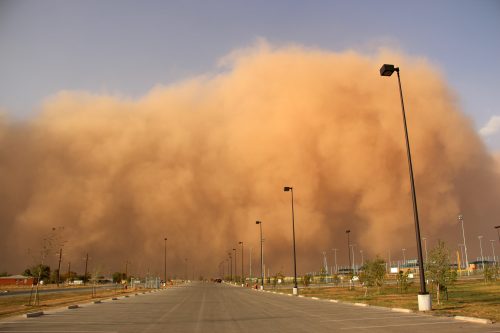
Protect Your Lungs From Smoke, Dust and Disease
Every year, India’s seasonal weather patterns bring high winds to the region during the summer months. This often results in massive dust storms. These storms are not uncommon, but the fact that they have hit during the night with unusually high wind speeds has made them even more deadly than usual.
According to meteorologists, wind speeds are averaging around 82 mph and many of these storms have been accompanied by hail and heavy lightning. Hundreds of trees and thousands of power lines have been downed. Countless villages have been devastated by falling debris and structure collapses.
Even worse, since May 1 at least 125 people have been killed and hundreds more have been injured.
Unfortunately, these storms also have dangerous short- and long-term effects on air quality. The short-term effects of dust exposure include immediate worsening of lung function in people with asthma.
The most common long-term effect is dust pneumonia, which results from large amounts of dust being inhaled. Dust storms have also been known to increase the spread of disease across the region when virus spores from the ground are blown into the atmosphere and transported miles away.
The Air That We Breathe
The reality is it’s not just dust storms that can cause deadly air pollution. With the recent volcanic eruptions in Hawaii, many people are taking precautions to protect their lungs. Pollutants emitted from volcanoes react with oxygen and moisture to produce volcanic smog and acid rain. The smog poses a health hazard by aggravating respiratory illnesses. Acid rain damages crops and leaches toxins into the water supply.
The bottom line is no matter where you live in the world, you may be at risk. Air pollution can be caused by natural disasters, industrial production, construction or the sheer number of vehicles on the road.
Considering that you need clean air to stay alive, here are some ideas for protecting yourself from poor air quality.
Stay hydrated. Drinking fluids, especially water, is vital during a dust storm or other event that worsens air quality. Not only should you increase your water intake, but you should also regularly wipe down your face with water to keep off dangerous particles and decrease the chance of inhaling them. This is why I highly recommend keeping a water filter in your car, at home and in your bug-out bag. The one I use is the SurvFilter, which filters out 99.99% of contaminants.
Avoid downwind. If you can, you must avoid going into or staying in the path of the dangerous air. Make note of the direction the wind is blowing and get out of the way as fast as possible. If you’re in your home, keep all doors, windows, furnace vents and laundry vents closed and avoid contact with the outside air. If you decide to bug out in your car, don’t drive faster than 30 mph. This will only kick up dangerous particles and bring them into your vehicle.
Wear a protective mask. One of my favorite gas masks is the Israeli Rubber Respirator Mask, which sells for around $35. The standard 40 mm filter used with this mask will protect you against sand, dust, smoke, tear gas and grinding fumes. If you can’t afford to buy a gas mask for every family member, at the very least you should buy the paper masks (the kind used for painting). These will provide some basic protection. If you are caught outside or have no mask at all, get a wet towel and cover your face to avoid breathing in toxic particles.
Ideally, you should stay indoors during a dangerous air quality situation. If you must evacuate or leave your home, remember to wear long-sleeved shirts, pants, goggles and some type of mask. Lastly, don’t forget to always have an emergency radio on so you can listen to the latest weather reports. This will alert you if the wind shifts and something deadly is headed your way.


