Home Page 49



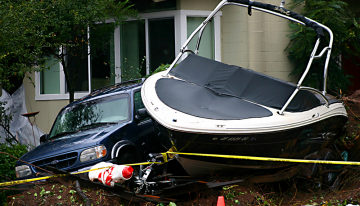
There are homes across the U.S. built near hillsides or narrow channels that can easily turn into a deadly mudslide — yours may be one of them. So today, I want to share four tips to help you stay safe in the event of a mudslide where you live.

Today, our resident Special Operations physician, Omar Hamada, reviewed the basics of trauma care for civilians. These skills could come in handy not only after a shooting incident, but also after a car accident or any number of other emergencies.

This week’s must-read articles cover how to stop major blood loss in gunshot victims, safety tips for school and work and the most important thing you can do to protect yourself absolutely anywhere.

Even though you may not be an intelligence operative, you never know when you may need to blend in to a strange environment or convince someone to believe you in a life-or-death situation. Whatever your reasons may be, here are four spy tips for blending in.
In this week’s mailbag, learn how to store a secret cache of survival gear, which models to try if you’re looking for a shotgun with less recoil and how to create a simple Faraday cage out of household items. Plus, one reader offers a fantastic solution for protecting your data if you choose to use cloud storage.

stay fit after 60

If you are an American traveling in China, there is a good chance your hotel room is under some sort of surveillance. Did you know you these same security concerns also exist in America? They do. So here are four hotel security tips, whether you are staying overseas for business or just taking a weekend trip with your family:

Today, Jason gives six tips on how to handle a stalker. Although women are more likely to be victimized by stalking, it can happen to anyone. So take notes and share this information with the people you love. It just might save their lives.

After a major disaster, you never, ever want to rely on the government. But that doesn’t mean you’re in it alone. Check out the first of this week’s must-read articles for a great example of a community helping themselves by helping each other. Then read on to discover when the world will run out of food, a toxic side effect of floods and how to survive a plane crash.

Damian Ross, founder of The Self Defense Company, offers one of the freshest perspectives when it comes to training. Check out this article on the secret to packing powerful punches — plus, how you can apply it to your training.
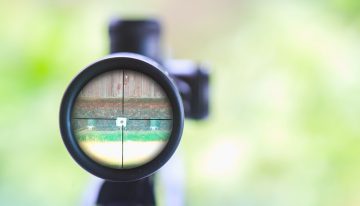
Adding optics to your rifle can give you a major advantage. If you add a scope to your rifle, you need to not only understand the terminology involved but also know how to use it. With that in mind, here are the three most important considerations when choosing optics for your rifle.

In this week’s mailbag, Jason reveals a road safety solution every person should have in their car. You’ll also learn the best way to loosen up stiff tools, exactly how to shoot an FBI qualification step by step and why you should have more than one gun safe.

Now that you have a solid foundation for handgun shooting, it’s time to take your skills to the next level. Today, Cade Courtley adds some “real world” drills to help you train for “real world” situations.

The debate about whether the government has the right to access encrypted data on personal devices is not going away anytime soon. The FBI claims their actions are necessary to thwart terrorism, while tech companies (including Apple) maintain this practice raises serious privacy concerns.

Quality accessories are just as important as a good firearm and plenty of practice. In the following piece, Caleb runs down the three most critical add-ons for your rifle — so you don’t overspend on pointless attachments.

This week’s must-read articles touch on what to do when a crowd turns ugly. Read on to discover how you can avoid trouble altogether as well as ways to defend yourself if you have to put up a fight. Plus, how to protect your home and those you love.

The Fourth Amendment prohibits unreasonable searches and seizures. But the fact is customs and border patrol agents can seize electronic devices for inspection — without a warrant or probable cause — and there is simply nothing you can do to stop them. Except take this one simple precaution.

Preparing for a nuclear disaster should be a top priority for you and your family. Remember, it’s not the initial blast that may harm you but the fallout from such an attack. This piece from Jeff Anderson over at Modern Combat & Survival runs down five steps to prepare for a nuclear attack and includes an offer for a detailed “Nuclear Survival Guide.”

I am a firm believer that a firearm is the absolute best way to protect yourself, your family and your home. That being said, this week’s mailbag addresses alternative ways to defend yourself and deter home invaders — starting with the most powerful survival knife ever made.

As with many skills, if you don’t have the proper foundation, you will limit yourself and ultimately be ineffective. This couldn’t be truer when it comes to shooting. If you don’t start with the proper technique, you will develop bad habits and hinder your ability to be a “top shot.”

Even if you have a bug-out bag and feel ready to deal with disaster, do you also have a planned route to get out of Dodge? And perhaps just as important, do you also have a backup plan? Here are four things to consider when deciding on a bug-out route.
Take a look at the following article from our friends over at 4Patriots that runs down what to do before, during and after a nuclear strike. Plus, one critical step you should take to prepare for a different kind of attack — one that could be even more devastating. And we’d never see it coming…

Each and every one of this week’s stories contains intelligence that is critical to your survival. Including what to do before the taps in your town run dry, an often overlooked — yet essential — aspect of emergency prep and how to choose practical protective clothing. But first, let’s take a look at one key item that may make the difference between life and death in a survival situation.

Would you risk your life going to the store for a quart of milk? You wouldn’t have to if you had the necessary supplies to shelter in place. Check out today’s article for a list of items to have on hand so you and your family will be able to hunker down at home and outlast any outbreak.